








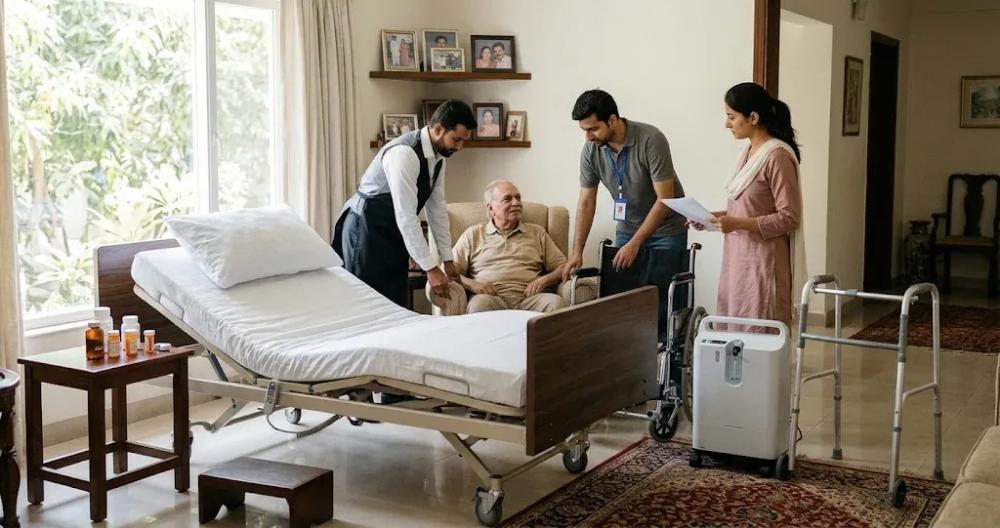
Can Elderly Care at Home help with mobility?

Mobility is an important part of maintaining independence and quality of life during old age. However, many elderly people experience difficulty walking, standing, climbing stairs, or moving from one place to another. Age-related muscle weakness, joint stiffness, balance problems, and long-term health conditions can make everyday movements challenging.
Elderly Care at Home can help older adults manage these challenges by providing practical assistance with daily activities and safe movement. With the right support, seniors can remain comfortable in familiar surroundings while maintaining as much independence as possible.
How Does Elderly Care at Home Support Mobility?
Elderly care services can provide assistance with different mobility-related activities. A trained caregiver can help seniors move safely around their homes, get out of bed, sit in a chair, and walk short distances when appropriate.
The level of assistance depends on the person's physical condition and individual needs.
For example, some elderly people may only need someone nearby for support while walking. Others may require more direct assistance when changing positions or moving between rooms.
Having a caregiver available can also reduce the risk of accidents caused by attempting difficult movements without help.
Assistance with Walking and Moving Around
Walking can become difficult with age, particularly for people experiencing weakness, joint discomfort, or balance problems.
Caregivers can provide support during short walks inside the home, helping seniors move between their bedrooms, bathrooms, and living areas.
They can also encourage older adults to follow mobility activities recommended by their healthcare professionals.
This support helps seniors stay involved in everyday activities without feeling that they must manage every movement alone.
Help with Getting In and Out of Bed
Getting out of bed can be challenging for elderly individuals, especially after an illness, surgery, or extended period of reduced activity.
A caregiver can assist with changing positions, sitting up, and transferring from the bed to a chair when needed.
Proper assistance is important because sudden movements may cause discomfort, dizziness, or loss of balance.
Caregivers should understand safe transfer techniques and use appropriate equipment when necessary.
Support with Daily Personal Activities
Limited mobility can make personal care routines more difficult. Activities such as bathing, dressing, using the toilet, and grooming may require additional assistance.
Elderly Care at Home can make these routines easier by providing respectful and patient support.
Caregivers may help seniors reach the bathroom, use mobility aids, and maintain personal hygiene while protecting their privacy and dignity.
This assistance allows older adults to manage their daily routines with greater comfort.
Encouraging Safe Physical Activity
Regular movement can help older adults maintain strength, flexibility, and balance. However, physical activity should match their abilities and medical condition.
Caregivers can encourage simple activities recommended by healthcare professionals, such as short walks or gentle movement exercises.
They should never force an elderly person to perform activities that cause pain, excessive tiredness, or discomfort.
For seniors who need rehabilitation, a physiotherapist can create an appropriate exercise plan. Caregivers can then help support the recommended routine.
Making the Home Safer for Mobility
The home environment plays an important role in elderly mobility. Loose rugs, cluttered walkways, slippery floors, and poor lighting can increase the risk of falls.
Caregivers can help maintain clear walking paths and identify areas that may need improvement.
Some useful home safety adjustments include:
-
Installing grab bars in bathrooms.
-
Using non-slip mats in wet areas.
-
Keeping frequently used items within easy reach.
-
Improving lighting in hallways and staircases.
-
Providing suitable walking aids when recommended.
-
Removing obstacles from frequently used pathways.
These changes can make everyday movement easier and safer.
Can Elderly Care at Home Help Seniors Who Use Wheelchairs or Walkers?
Yes. Many elderly individuals use wheelchairs, walkers, or walking sticks to move around safely.
A caregiver can assist with using these mobility aids correctly, depending on their training and the person's care plan.
For wheelchair users, assistance may include moving between rooms, positioning the wheelchair safely, and helping with transfers when properly trained.
For seniors using walkers, caregivers can provide supervision and help maintain a safe walking environment.
The mobility equipment should always be suitable for the individual's needs and recommended by an appropriate healthcare professional.
Benefits of Mobility Support for Elderly People
Mobility assistance offers several practical benefits for older adults and their families.
Greater independence: Seniors can continue participating in daily activities with appropriate support.
Improved confidence: Having assistance nearby may make older adults feel more comfortable moving around their homes.
Reduced fall risks: Supervision and home safety improvements can help reduce common mobility hazards.
Better daily comfort: Assistance with walking, sitting, and changing positions can make everyday routines easier.
Family reassurance: Family members can feel more confident knowing that their elderly relatives have support with mobility-related needs.
When Should Families Consider Professional Mobility Assistance?
Families should consider additional support when an elderly person struggles with walking, frequently loses balance, needs help getting out of bed, or has difficulty completing personal care activities.
A sudden change in mobility should be assessed by a healthcare professional, as it may indicate an underlying medical problem.
After surgery, a fall, or a hospital stay, seniors may also need temporary assistance while recovering.
Choosing a suitable Elderly Care at Home provider can help families arrange support according to the person's physical condition and daily requirements.
Before hiring a caregiver, ask about their experience with elderly mobility, safe transfers, fall prevention, and mobility equipment.
Conclusion
Elderly Care at Home can play an important role in helping seniors manage mobility challenges. From walking assistance and bed transfers to personal care and home safety, caregivers can make everyday activities more manageable.
The right support can help older adults maintain confidence, comfort, and independence while remaining in familiar surroundings. By combining professional caregiving with appropriate medical guidance and a safer home environment, families can provide better support for their elderly loved ones.


