








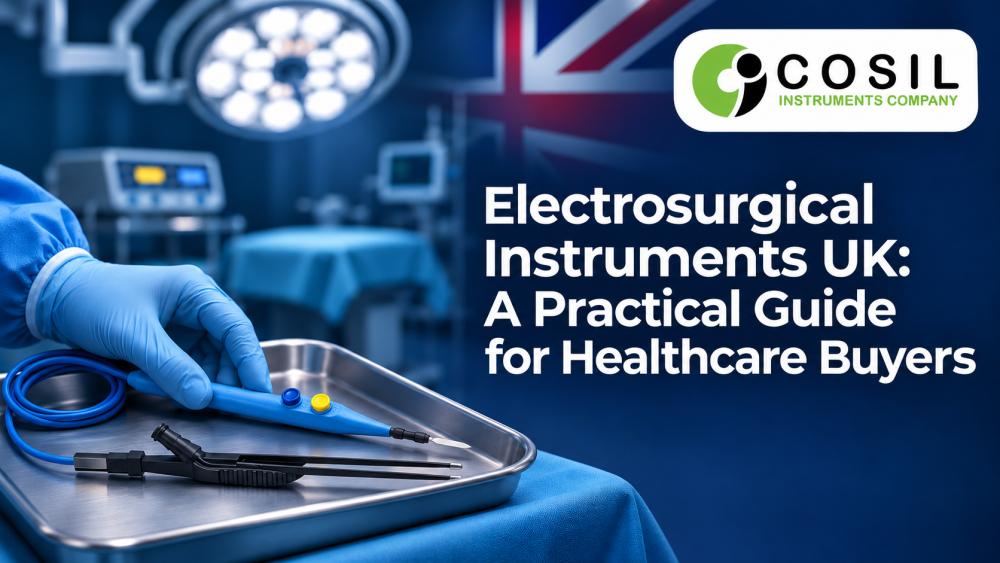
Electrosurgical Instruments UK: A Practical Guide for Healthcare Buyers

Healthcare buyers need electrosurgical instruments that match clinical requirements and equipment specifications. The right choice depends on product availability, instrument design, connections and documentation. The search for Electrosurgical Instruments UK suppliers often starts with product range, but technical fit matters just as much. This guide explains what UK hospitals, private clinics, NHS suppliers and medical distributors should consider before purchasing.
Electrosurgical Instruments UK: Understanding the Supply Market
The UK market includes hospitals, private healthcare facilities, specialist clinics, procurement organisations and medical distributors. Their needs vary according to procedures, equipment and supply arrangements.
Some buyers source individual instruments. Others need a broader range for ongoing theatre requirements or distribution. In both cases, clear product information helps prevent ordering errors.
When assessing an electrosurgical instruments supplier, UK buyers should consider product range, technical information, documentation and communication. Overseas manufacturers may also serve UK organisations. Buyers should confirm delivery arrangements and relevant import responsibilities.
Main Types of Electrosurgical Instruments Available
Electrosurgical systems use different instruments and accessories. Understanding each category helps procurement teams prepare accurate enquiries.
Bipolar Forceps
Bipolar forceps have two electrodes at the working tips. Current passes between the tips through the tissue held between them. They are commonly used for bipolar coagulation.
Configurations can include standard, non-stick and specialist tip designs. Lengths, tip profiles and cable arrangements may vary. Buyers should specify the required pattern and connection details.
Monopolar Instruments and Active Electrodes
Monopolar instruments deliver energy through an active electrode. The electrical circuit usually returns through a separate patient return electrode. Active electrodes are available in blade, needle, ball and loop designs.
The correct configuration depends on the procedure and compatible handpiece. Buyers should check shaft dimensions, connector details and generator requirements.
Diathermy Electrodes and Cautery Pencils
Diathermy electrodes are used with compatible electrosurgical handpieces. Cautery pencils hold and activate suitable active electrodes. Hand-control and foot-control configurations are available, depending on the product.
Specialist electrode ranges may include ENT bipolar, arthroscopic and laparoscopic options. Working lengths, tip shapes and connections should match the intended application.
Cables and Other Accessories
Electrosurgical cables connect instruments or handpieces to compatible equipment. Patient return electrodes are used in monopolar systems. Other accessories support the complete setup.
These components should be considered as part of the system. A cable or connector that looks similar may not fit a particular generator.
How to Evaluate an Electrosurgical Instruments Supplier in the UK
A broad catalogue is useful, but it does not confirm that every instrument matches a buyer's requirements. Start by checking product suitability.
Consider these points when assessing potential suppliers:
- Product range: Check for the required bipolar, monopolar, single-use and reusable configurations.
- Technical information: Request dimensions, tip designs, cable details and connection specifications.
- Documentation: Ask for applicable product information, instructions for use and regulatory documents.
- Quality processes: Review relevant quality certifications and the scope they cover.
- Supply arrangements: Clarify order quantities, lead times, packaging and repeat-order processes.
- Communication: Look for clear responses to technical and commercial questions.
UK buyers may work with domestic distributors or international manufacturers. The right route depends on purchasing volume, product requirements and internal policies. Do not assume general certification covers every product in a catalogue. Request evidence for the specific device.
Technical Specifications Buyers Should Check
Product names alone are rarely enough for accurate sourcing. A detailed specification helps suppliers identify the correct configuration and reduces ordering errors.
For forceps and electrodes, check:
- Instrument type and intended application.
- Overall length, working length and shaft dimensions.
- Tip shape, width and alignment.
- Insulation design and construction details.
- Cable length, connector type and handpiece interface.
- Reusable or single-use status.
- Sterility status, packaging and product identification.
For handpieces, confirm the activation method and generator connection. For accessories, verify the exact equipment interface. Provide generator and model details when requesting compatibility confirmation.
If a product has several variants, identify the required reference or configuration. Written specifications provide a clearer basis for comparison than photographs alone.
UK Regulatory and Documentation Considerations
Medical devices supplied in the UK must meet the rules for their intended market and product classification. Requirements differ between Great Britain and Northern Ireland. Buyers should confirm which regulatory route applies to the product and destination.
For Great Britain, requirements can include conformity marking, MHRA registration and UK Responsible Person arrangements. Obligations depend on the manufacturer's location, device type and supply route. Northern Ireland follows a different framework, including applicable EU medical device requirements.
Procurement teams should request current, product-specific documentation. This may include declarations of conformity, certificates where required, labelling details and instructions for use. Check the manufacturer's identity, device details and traceability information.
A general certification statement is not a substitute for checking the specific product. Confirm the documents, markings and registrations relevant to the intended market before purchase.
Practical Tips for UK Electrosurgical Procurement
A clear purchasing brief makes supplier discussions more efficient. Prepare the following information before requesting a quotation:
- Required instrument categories and quantities.
- Reusable or single-use preferences.
- Dimensions, tip designs and connection requirements.
- Generator or handpiece details where compatibility matters.
- Packaging, sterility and documentation requirements.
- Delivery destination and expected ordering frequency.
For bulk electrosurgical instrument supply, clarify minimum order quantities and repeat-order arrangements. Compare quotations using equivalent specifications, not headline prices alone.
Frequently Asked Questions About Electrosurgical Instruments UK
What Types of Electrosurgical Instruments Do UK Hospitals Use?
Common categories include bipolar forceps, monopolar instruments, active electrodes, diathermy electrodes, cautery pencils, cables and patient return electrodes.
How Can I Find an Electrosurgical Instruments Supplier in the UK?
Compare specialist manufacturers and distributors. Review their product range, documentation, regulatory information, supply arrangements and ability to answer product-specific questions.
What Is the Difference Between Bipolar and Monopolar Instruments?
Bipolar instruments pass current between two electrodes, often at the forceps tips. Monopolar systems use an active electrode and a separate return electrode.
What Documents Should Buyers Request?
Request relevant instructions for use, product specifications, conformity documents and applicable registration details. Requirements depend on the device and its intended market.
Can UK Buyers Source Electrosurgical Instruments Directly from Manufacturers?
Yes. Some manufacturers supply hospitals, importers and distributors directly. Buyers should confirm product suitability, regulatory responsibilities, delivery terms and communication arrangements.
Why Consider Cosil Instruments for UK Electrosurgical Supply?
Cosil Instruments manufactures and supplies bipolar forceps, single-use forceps, diathermy electrodes, cautery handpieces, patient return pads and electrosurgical cables. Its UK offering is aimed at hospitals, private clinics, NHS suppliers and medical distributors.
Buyers can discuss product configurations, specifications, documentation, quantities and quotations with the company. Organisations reviewing its range can explore Electrosurgical instruments UK for further information about its UK supply offering.
Make Your Electrosurgical Purchasing Requirements Clear
The right sourcing decision starts with accurate specifications and product-specific documentation. Check compatibility, regulatory requirements and supply arrangements before ordering. Contact Cosil Instruments to discuss your requirements and request relevant product information


