








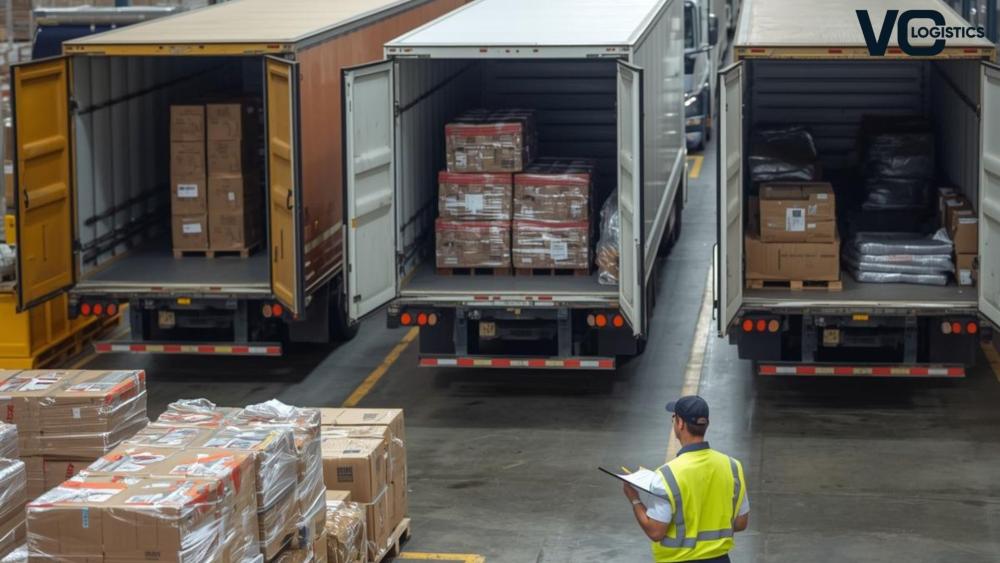
Virtual Oplossing and the Role of a Modern US Freight Forwarder

Global trade depends heavily on efficient freight forwarding, especially in the United States, which handles millions of tons of cargo every year through ports, airports, and inland hubs. As logistics networks grow more complex, digital coordination models are becoming essential. Virtual Oplossing helps explain how technology-driven approaches can support freight forwarders in managing documentation, communication, and compliance. Understanding this concept is valuable for importers, exporters, and logistics professionals alike.
What Is Virtual Oplossing?
Virtual Oplossing refers to a digital or remotely managed solution that supports operational tasks traditionally handled in physical offices. In the context of a US freight forwarder, it can include remote coordination of shipment tracking, customs documentation, carrier communication, and customer updates.
For example, instead of relying solely on in-house staff at a port location, freight forwarders can use cloud-based systems and remote teams to manage bills of lading, monitor cargo status, and resolve exceptions in real time. This approach does not replace physical logistics but enhances oversight, accuracy, and responsiveness across the supply chain.
How It Works
Digital logistics coordination follows a structured process that integrates people, systems, and data. In a freight forwarding environment, it typically works through the following steps:
-
Centralized shipment data is stored in secure, cloud-based platforms accessible to authorized teams.
-
Remote specialists monitor cargo movement, schedules, and compliance requirements across modes of transport.
-
Automated alerts notify teams about delays, documentation gaps, or regulatory changes.
-
Communication with carriers, customs brokers, and clients is handled through standardized digital channels.
-
Performance data is analyzed to identify bottlenecks and improve future shipments.
This model supports consistency and transparency without disrupting established physical operations.
Benefits of Virtual Oplossing
The adoption of Virtual Oplossing based workflows offers practical advantages for US freight forwarders and their clients:
-
Improved visibility: Real-time tracking and reporting reduce uncertainty across long-distance shipments.
-
Operational resilience: Remote coordination helps maintain continuity during disruptions such as port congestion or labor shortages.
-
Cost efficiency: Digital documentation and centralized oversight reduce administrative overhead.
-
Regulatory accuracy: Structured data handling supports compliance with US Customs and Border Protection requirements.
According to industry estimates, companies that digitize freight processes can reduce documentation errors by over 30%, leading to fewer delays and penalties.
Real-World Example
Consider a mid-sized importer moving consumer goods from Asia to multiple US distribution centers. By using a digitally coordinated freight forwarding model supported by Virtual Oplossing, the company streamlined communication between ocean carriers, customs brokers, and inland transport providers. Shipment updates were shared in near real time, reducing average clearance delays by several days.
👉 Read the full guide: Virtual Oplossing
Why It Matters Today
US freight forwarders operate in an environment shaped by volatile demand, evolving trade regulations, and rising customer expectations. Digital coordination models help bridge gaps between physical logistics and information flow. As e-commerce volumes grow and supply chains become more global, the ability to manage shipments efficiently from anywhere is no longer optional—it is a strategic requirement.
Looking ahead, freight forwarders that invest in structured digital support will be better positioned to handle scale, complexity, and compliance challenges.
Conclusion:
Efficient freight forwarding relies on more than transportation alone; it depends on accurate information, timely decisions, and coordinated execution. Virtual Oplossing highlights how modern, digitally enabled approaches can strengthen US freight forwarding operations. By understanding and applying these principles, businesses can navigate global trade with greater confidence. To explore more insights on this topic, visit the linked resource above.


