








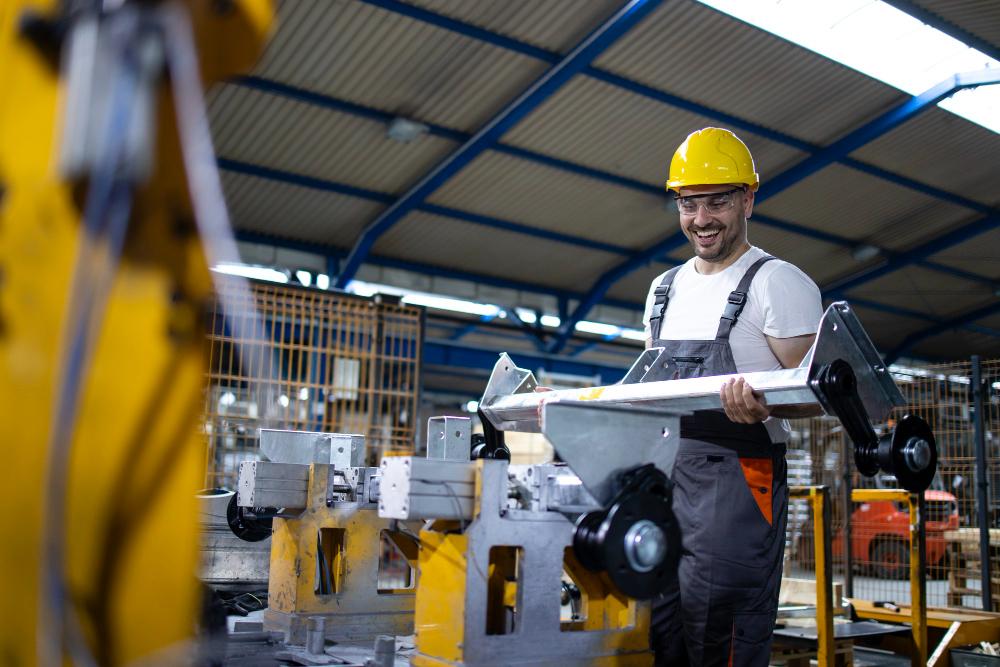
The Silent Shift Transforming Manufacturing Behind the Scenes

While much of the attention in manufacturing is focused on automation and robotics, a quieter transformation is taking place behind the scenes. This shift is centered around how processes are structured, monitored, and continuously improved.
Rather than relying solely on visible technological upgrades, organizations are reworking the core systems that drive production. This approach is helping manufacturers achieve deeper, more sustainable improvements that go beyond surface-level efficiency gains.
Why Process Visibility Is Becoming Non-Negotiable
One of the most critical challenges in manufacturing is the lack of complete visibility across operations. Without a clear view of what is happening at every stage, it becomes difficult to identify inefficiencies or respond effectively to issues.
Enhanced visibility allows manufacturers to track performance in real time, detect anomalies, and make adjustments quickly. This level of insight reduces uncertainty and supports more informed decision-making.
As operations become more complex, visibility is no longer optional it is essential.
The Evolution From Manual Oversight to Intelligent Monitoring
Traditional manufacturing relied heavily on manual supervision to ensure quality and consistency. While this approach worked in simpler environments, it struggles to keep up with the demands of modern production.
Intelligent monitoring systems are changing this dynamic by providing automated, data-driven insights. These systems can identify patterns, flag potential issues, and recommend corrective actions without constant human intervention.
This evolution is enabling manufacturers to operate more efficiently while maintaining high standards of quality.
Integrating Systems for Seamless Operations
Disconnected systems have long been a barrier to efficiency in manufacturing. When different parts of the operation operate independently, it creates delays, miscommunication, and data inconsistencies.
Integration is the key to overcoming these challenges. By connecting systems across the manufacturing lifecycle, organizations can ensure smoother workflows and better coordination.
This is where well-implemented Industrial Manufacturing Solutions play an important role, helping unify processes and create a more cohesive operational environment.
The Shift Toward Predictive and Preventive Strategies
Reactive approaches are gradually being replaced by predictive and preventive strategies. Instead of waiting for problems to occur, manufacturers are using data and analytics to anticipate and avoid them.
Predictive maintenance, for example, allows companies to service equipment before failures happen, reducing downtime and maintenance costs. Similarly, preventive quality control measures help identify defects early in the production process.
These strategies contribute to more stable and reliable operations.
Rethinking Efficiency in a Complex Environment
Efficiency in modern manufacturing is no longer just about speed or output. It involves optimizing multiple variables, including resource utilization, energy consumption, and process consistency.
Achieving this level of efficiency requires a more sophisticated approach that combines technology, strategy, and continuous improvement.
Manufacturers are now focusing on creating systems that deliver consistent results while adapting to changing conditions.
The Importance of Cross-Functional Alignment
Manufacturing success depends on the alignment of various functions, including engineering, production, supply chain, and quality control. When these functions operate in isolation, it can lead to inefficiencies and missed opportunities.
Cross-functional alignment ensures that all teams are working toward shared goals. It also improves communication and coordination, leading to better overall performance.
Organizations that prioritize alignment are better equipped to handle complexity and drive growth.
Preparing for the Next Wave of Industrial Transformation
The manufacturing industry is on the brink of another wave of transformation. Emerging technologies, evolving market demands, and increasing competition will continue to reshape the landscape.
Preparing for this future requires a proactive approach that focuses on building adaptable systems and resilient operations.
Manufacturers that invest in continuous improvement and strategic innovation will be well-positioned to navigate the challenges ahead and capitalize on new opportunities.


