








How to Treat a Buffalo Hump in Riyadh: Causes, Symptoms, and Solutions

How to Treat a Buffalo Hump in Riyadh: Causes, Symptoms, and Solutions
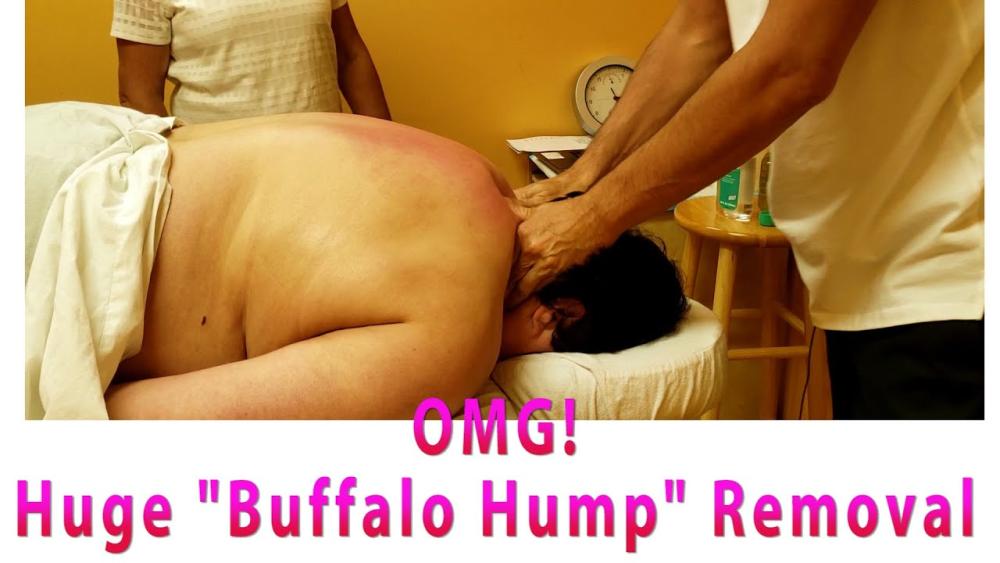
Addressing the physical and emotional impact of a dorsocervical fat pad begins with a clear understanding of its origin and the effective treatments available for Buffalo Hump Removal Riyadh. This condition, characterized by the accumulation of adipose tissue at the base of the neck, often proves resistant to standard weight loss efforts, diet, and exercise. Because the tissue can be dense, fibrous, or associated with underlying metabolic shifts, patients often require specialized intervention to restore a natural contour to their upper back. By exploring the root causes, identifying common symptoms, and reviewing modern surgical and procedural options, individuals can take proactive steps toward achieving a smoother, more balanced neck silhouette.
Understanding the Causes of Dorsocervical Fat Accumulation
The development of a buffalo hump is frequently linked to a variety of systemic and localized factors. Understanding these contributors is essential for both the initial evaluation and for developing a long-term strategy for maintenance.
Potential Etiological Factors
-
Hormonal Imbalances: Elevated cortisol levels—often observed in cases of Cushing’s syndrome—are a primary cause of fat redistribution to the upper back and abdominal regions.
-
Medication-Induced Lipodystrophy: Certain pharmaceutical treatments, particularly long-term corticosteroid therapy or specific medications used in chronic disease management, can lead to the abnormal storage of fat in the neck and shoulder area.
-
Genetic Predisposition: For many individuals, the body simply has a tendency to deposit fat in the cervicothoracic junction due to hereditary factors, regardless of overall body weight.
-
Obesity and Lifestyle: While not the exclusive cause, systemic obesity can increase the volume of existing fat deposits, making the hump more pronounced and physically uncomfortable.
Recognizing Symptoms and Indicators
Beyond the obvious visible protrusion, a buffalo hump can manifest through several physical indicators that often prompt patients to seek medical advice.
-
Physical Discomfort: Many patients report a sensation of heaviness or tightness at the base of the neck, which can occasionally impact posture.
-
Restricted Mobility: In larger deposits, the prominence of the fat pad may interfere with the ability to comfortably rest the head against surfaces or wear certain types of clothing.
-
Psychological Impact: The visible nature of the hump often leads to self-consciousness, affecting body image and prompting a desire for corrective aesthetic intervention.
-
Structural Changes: Chronic accumulation can sometimes lead to localized skin stretching, which may require specialized attention during the removal process to ensure a smooth aesthetic outcome.
Evaluating Professional Treatment Options
Treating a buffalo hump requires a tailored approach, as the density of the fat can vary significantly between individuals. In clinical practice, treatments are generally categorized by their invasiveness and the extent of fat removal required.
Surgical Fat Extraction
For the majority of patients, surgical reduction is the gold standard for immediate and significant results.
-
Liposuction Procedures: This remains the most common approach. By utilizing thin, hollow tubes (cannulas) inserted through small, discreet incisions, the surgeon can meticulously break down and extract fat cells. Modern techniques, such as ultrasound or laser-assisted liposuction, are particularly effective for breaking up fibrous tissue, allowing for a more precise contouring of the neck.
-
Direct Surgical Excision: In cases where the hump is composed of extremely hardened or very large amounts of tissue, direct excision may be necessary. This allows the surgeon to remove the mass in its entirety, providing a definitive solution where other methods might fall short.
Complementary and Procedural Solutions
For individuals with mild cases or those who are not candidates for surgery, alternative options may be considered, though results are typically more gradual.
-
Metabolic Management: If the hump is caused by an underlying condition like a hormone imbalance or medication, the first step is often to work with a medical specialist to manage the primary cause, which can sometimes stabilize or reduce the size of the deposit.
-
Skin Tightening Technologies: Post-removal, some patients benefit from energy-based treatments designed to encourage skin retraction, ensuring that the area heals smoothly without sagging or surface irregularities.
The Consultation and Diagnostic Journey
A successful outcome begins with a comprehensive consultation. The diagnostic process typically involves:
-
Medical History Review: Identifying if the fat accumulation is primary (lifestyle/genetics) or secondary (medication/disease).
-
Physical Assessment: Determining the density of the fat pad to see if it is suitable for liposuction or if it requires surgical excision.
-
Strategic Planning: Mapping out the treatment area to ensure that the removal process maintains harmony with the shoulders and the base of the skull.
Post-Procedural Care and Long-Term Results
The recovery phase is a vital component of the treatment plan. Following the procedure, the use of compression garments is standard to help the skin adhere to the underlying tissues and to minimize post-operative swelling. Patients are advised to limit strenuous physical activity in the weeks immediately following the procedure to allow the surgical site to heal without tension.
Long-term success often depends on maintaining a healthy lifestyle, including regular physical activity and a balanced diet. For those whose condition was driven by medication or hormonal factors, continuous communication with their primary healthcare provider remains an essential part of the long-term maintenance strategy. By focusing on personalized care and utilizing proven surgical techniques, individuals in Riyadh can effectively manage the appearance of a buffalo hump and enjoy a more comfortable, aesthetically pleasing upper-back profile.


