








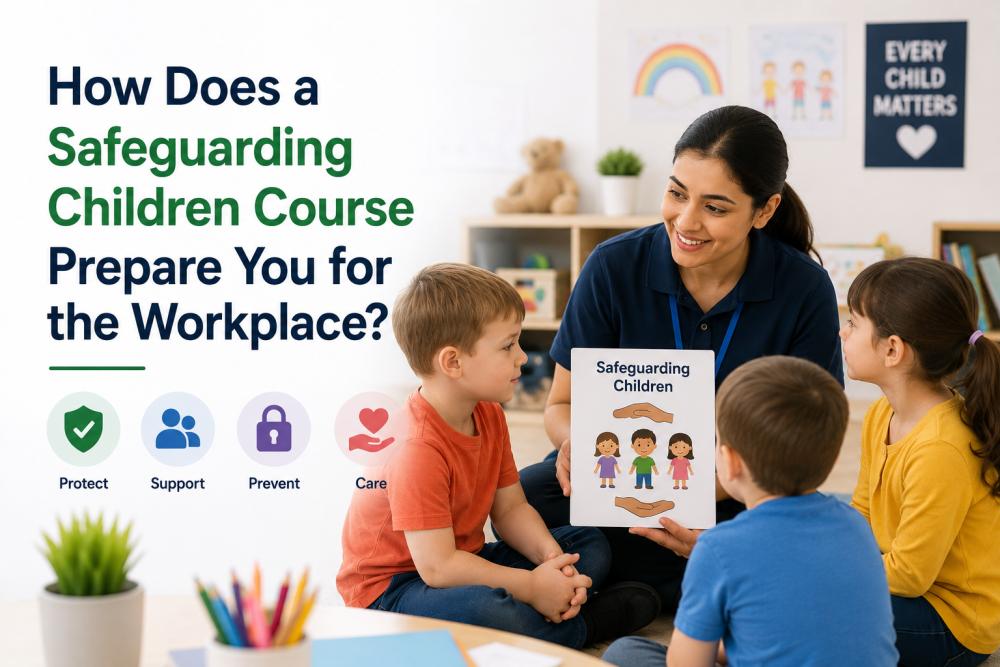
How Does a Safeguarding Children Course Prepare You for the Workplace?

Anyone working with or around children carries a responsibility to protect their welfare, and knowing how to fulfil that responsibility is essential for entering many professional roles. A safeguarding children course equips individuals with the knowledge and confidence needed to recognise concerns, respond appropriately, and follow correct procedures from day one. Organisations such as HCA London provide structured training that helps learners build these essential skills before stepping into the workplace.
Why Safeguarding Knowledge Matters in the Workplace
Safeguarding concerns are not always obvious, and a lack of awareness can mean warning signs go unnoticed. This is true across schools, healthcare settings, childcare services, and any environment where professionals interact with children or families.
Understanding safeguarding principles helps individuals recognise potential signs of harm, respond calmly and appropriately, and know exactly who to inform when a concern arises. This awareness protects children and gives professionals the confidence to act rather than hesitate.
For employers, staff who understand safeguarding are essential. They support compliance with legal and regulatory obligations and help create an environment where children’s welfare is genuinely prioritised.
Key Skills a Safeguarding Children Course Develops
Recognising Signs of Abuse or Neglect
One of the first skills learners develop is the ability to notice changes in behaviour, physical signs, or other indicators that may suggest a child is at risk. Training helps professionals understand the different categories of abuse and neglect, and how these signs might present differently depending on a child’s age or circumstances.
This awareness is one of the most important outcomes of safeguarding training, as early recognition often makes the greatest difference.
Understanding Safeguarding Legislation and Policy
A safeguarding children course introduces learners to the legal framework surrounding child protection, along with the responsibilities placed on individuals and organisations. Understanding this framework helps professionals recognise when action is required and ensures their response aligns with recognised best practice.
This legal grounding is particularly valuable in regulated sectors such as healthcare, education and social care.
Correct Reporting and Escalation Procedures
Knowing how to report a concern correctly, and to whom, is a critical part of safeguarding practice. Training covers how to document observations clearly, who to escalate concerns to, and the importance of acting promptly rather than waiting for certainty.
This structured approach reduces hesitation and ensures concerns are handled consistently and appropriately.
Building Trust and Communicating with Children
Safeguarding training also focuses on how to communicate with children in a way that is calm, age-appropriate and reassuring. Learners develop skills in listening without judgement, avoiding leading questions, and creating an environment where a child feels safe to speak up.
These communication skills are valuable not only for identifying concerns but for building trusted, supportive relationships more broadly.
Working Within a Wider Safeguarding Team
Effective safeguarding rarely relies on one individual alone. Training encourages learners to understand their role within a wider safeguarding children structure, including designated safeguarding leads, and the importance of sharing information appropriately to protect a child’s welfare.
Who Benefits from Safeguarding Children Training
Safeguarding children training is relevant across a wide range of roles, including:
● Healthcare workers in paediatric or family-focused settings.
● School staff, childcare workers and health visitors.
● New employees preparing to work in child-facing environments.
● Supervisors and managers responsible for safeguarding oversight.
Because safeguarding responsibilities apply so broadly, this training is valuable at every stage of a career involving contact with children.
How This Training Supports Long-Term Career Readiness
A strong foundation in safeguarding does more than prepare someone for their first day in a child-facing role. It builds awareness and confidence that remain essential throughout an entire career, particularly as responsibilities grow.
For those moving into supervisory or safeguarding lead positions, this knowledge becomes even more critical, as oversight of safeguarding practice often becomes a core part of the role. Recognised training also strengthens a CV, demonstrating a genuine, verifiable commitment to protecting children’s welfare.
Conclusion
A safeguarding children course does far more than meet a compliance requirement. It builds practical, essential skills, from recognising signs of harm to understanding correct reporting procedures, that prepare individuals to protect children confidently and responsibly.
Whether starting a new role or progressing into a position of greater responsibility, this training plays a vital role in shaping safe, capable professionals. Many go on to broaden their expertise further through a range of CPD-certified courses, continuing to build the knowledge and confidence needed throughout their career.


