








Understanding Quality Metal Welding for Diverse Projects

Exploring Professional Metal Welding
Metal welding plays an important role in construction, fabrication, repair, and maintenance projects. It creates strong connections between separate metal pieces and can help restore damaged components. The right welding approach depends on material type, thickness, joint design, project requirements, and the conditions where the finished work will be used.
Working With Aluminum Materials
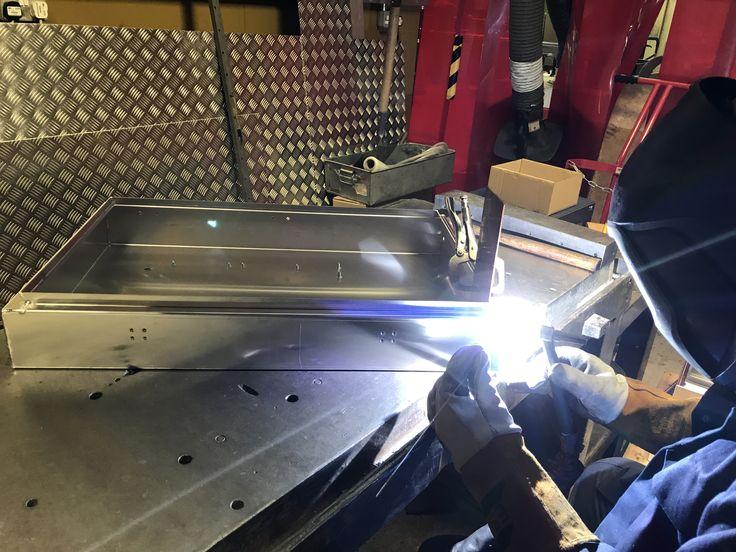
Aluminum is commonly selected for projects that require a lightweight yet durable material. It also offers useful resistance to corrosion in many applications. Aluminum Metal Welding Services Chicago IL can support aluminum fabrication and repair needs where careful heat management, proper surface preparation, and suitable welding equipment are important for creating dependable connections.
Preparing Surfaces Before Welding
Proper preparation can have a direct effect on welding quality. Metal surfaces should be inspected and cleaned before the welding process begins. Dirt, grease, moisture, coatings, and oxidation may interfere with the connection. Professionals consider these conditions carefully and prepare the material according to the requirements of the selected welding method.
Choosing Suitable Welding Techniques
Different metals require different welding approaches. Aluminum, stainless steel, and other materials can respond differently to heat and welding equipment. The thickness and shape of each component also matter. Welding Services Chicago IL can address various project needs by selecting suitable techniques based on the material, application, joint design, and expected performance.
Supporting Custom Fabrication
Welding provides flexibility when standard metal components do not meet a project's requirements. Separate pieces can be measured, cut, positioned, and joined to create custom frames, brackets, supports, assemblies, and other structures. Accurate fabrication helps ensure that each component fits its intended location and performs its planned function.
Handling Metal Repairs
Welding can also provide a practical option for repairing damaged metal components. Cracks, broken joints, separated sections, and worn connections may sometimes be restored instead of completely replaced. Before beginning a repair, the surrounding material should be inspected to determine whether it remains suitable for welding and whether additional work is required.
Focusing on Accurate Measurements
Measurements are important during both fabrication and repair work. Incorrect dimensions can lead to poor alignment, unwanted gaps, or components that do not fit correctly. Professionals may measure existing structures and individual pieces before cutting or positioning materials. Careful measurements help reduce adjustments and contribute to more consistent finished assemblies.
Maintaining Proper Alignment
Alignment affects both appearance and performance. Components should be positioned carefully before permanent welds are made. Professionals may use suitable supports, clamps, or other positioning methods to keep pieces stable during the process. Maintaining proper alignment can help reduce distortion and create cleaner connections across the completed assembly.
Considering Project Conditions
The environment surrounding a welded component can influence material selection and fabrication decisions. Outdoor structures may encounter moisture and temperature changes, while industrial applications may involve vibration or other demanding conditions. Considering these factors before work begins can help determine suitable materials, preparation methods, protective measures, and welding techniques.
Creating Durable Connections
A strong weld depends on several factors working together. Material preparation, equipment settings, joint design, positioning, and controlled technique can all influence the finished connection. Proper workmanship helps create consistent joints that are suitable for their intended application. Inspection after welding can also help identify visible concerns before the component enters regular use.
Supporting Structural Applications
Welded metal components can be used in many structural and functional applications. Frames, supports, platforms, brackets, equipment components, and custom assemblies may all require reliable connections. Each project has different requirements, so the fabrication process should account for dimensions, expected loads, installation conditions, and the specific characteristics of the selected material.
Inspecting Completed Welding Work
Inspection provides an important final step after welding has been completed. Welded areas can be reviewed for visible cracks, uneven connections, surface issues, alignment problems, or other concerns. Depending on the application, additional inspection methods may be appropriate. Careful review helps confirm that the completed work meets the project's intended requirements.
Maintaining Welded Components
Regular maintenance can help preserve the condition of welded metal components. Owners may periodically check for corrosion, cracks, unusual movement, or other visible changes. Keeping surfaces clean and addressing developing problems early may reduce the need for more extensive repairs. Maintenance requirements will vary according to material, location, and frequency of use.
Planning the Right Welding Project
Every welding project benefits from clear planning. Material type, dimensions, intended use, existing damage, and installation requirements should be considered before work begins. Providing accurate project information helps determine an appropriate fabrication or repair approach. With careful preparation and precise workmanship, welded components can provide reliable performance for their intended applications.


